
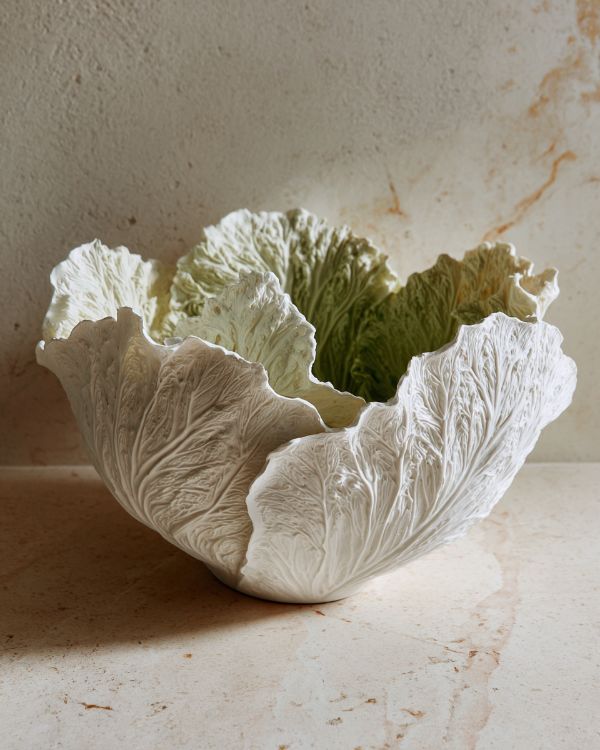
Transforming natural elements into art is a rewarding way to bring the beauty of nature into your home decor. This DIY project involves dipping cabbage leaves in plaster to create stunning, intricate bowls that capture the delicate veining and organic shape of the leaves. These unique bowls serve as beautiful decorative pieces or functional art, and they offer a creative way to repurpose natural materials. Whether you're looking to add a personal touch to your living space or searching for a thoughtful handmade gift, these cabbage leaf bowls are a stylish and sustainable option.
These cabbage leaf bowls can be styled in various ways throughout your home. Place them on a coffee table or bookshelf to add an organic touch to your living room. Use them as a centerpiece on your dining table, filled with decorative stones or potpourri. Their natural texture and form make them an excellent complement to rustic, bohemian, or minimalist interiors. For a cohesive look, consider creating a set of bowls in different sizes to display together.
Cabbage Leaf Bowls
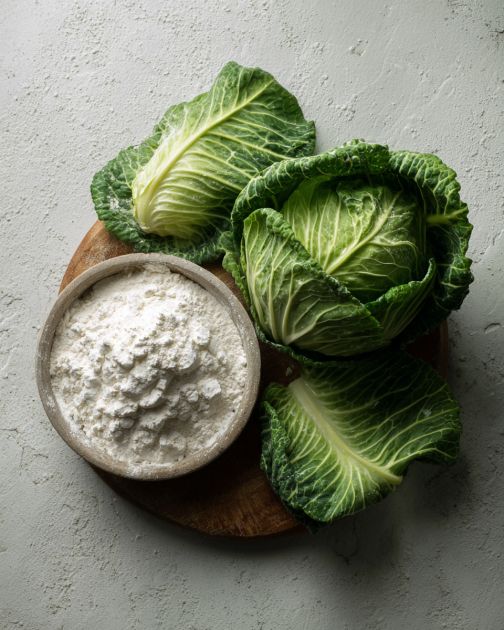
Materials
Large cabbage leaves
Plaster of Paris (approximately 2 cups)
Water (as per plaster instructions)
Mixing bowl
Small paintbrush
Disposable gloves
Plastic wrap
Sandpaper (fine grit)
Acrylic paint or spray paint (optional)
Clear sealant (optional)
Directions
Select large, intact cabbage leaves for this project. Wash them thoroughly and pat dry.
Prepare your work area by covering it with plastic wrap to protect surfaces.
Mix the plaster of Paris with water according to the package instructions in a mixing bowl, achieving a smooth, creamy consistency.
While wearing disposable gloves, dip each cabbage leaf into the plaster mixture, ensuring it is fully coated.
Carefully lay the plaster-coated leaf on the plastic wrap, shaping it gently to mimic a bowl. Allow it to dry for about 24 hours.
Once the plaster is dry, peel the cabbage leaf away from the plaster bowl. If any leaf pieces remain, gently remove them.
Use fine-grit sandpaper to smooth any rough edges on the plaster bowl.
Optional: Paint the bowl with acrylic paint or spray paint for added color, and apply a clear sealant to protect the finish.
Variations & Tips
For variations, try using different types of leaves, such as kale or collard greens, to achieve different textures and shapes. You can also experiment with colored plaster for a more vibrant look, or apply metallic paint for a modern touch. Consider using a combination of small and large leaves to create a variety of bowl sizes. To make the bowls food-safe, line them with a glass or ceramic dish, allowing you to use them for serving snacks or displaying fruit.