
Creating a flower window box from scrap wood is an excellent way to repurpose materials while adding charm and functionality to your home's exterior. This DIY project not only enhances curb appeal but also provides a lovely spot to cultivate flowers, bringing vibrant colors to your windowsill.
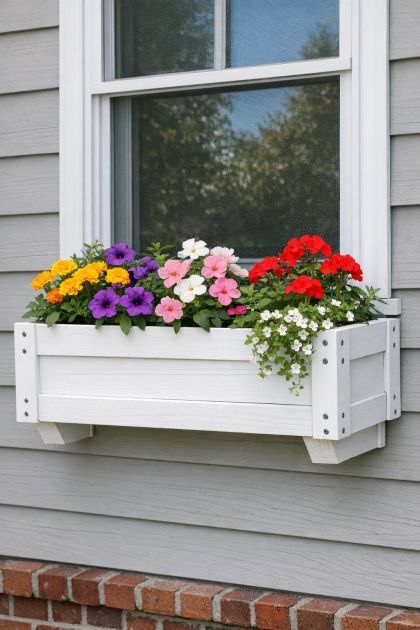
This flower window box is a versatile addition to any home. It can complement both traditional and modern exteriors, depending on the type of flowers planted and the finish applied to the wood. The white-painted frame offers a classic and clean look, making it a perfect contrast to colorful blooms. Position it under a window to create a seamless extension of your home's architecture, adding a touch of nature to your outdoor decor.
DIY Flower Window Box
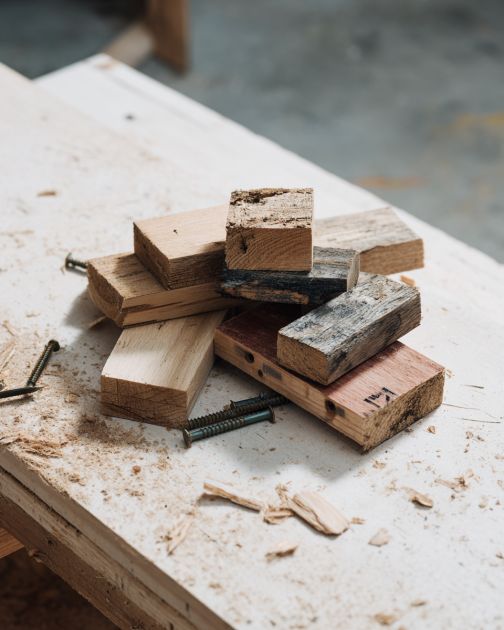
Materials
Scrap wood pieces (various sizes, ideally 1x6 inches and 1x4 inches)
Wood screws (1.5-inch)
Drill with screwdriver bits
Saw (hand saw or power saw)
Sandpaper (medium and fine grit)
White exterior paint
Paintbrush or roller
Measuring tape
Wood glue
Protective gloves
Directions
Measure the desired length and width for your flower box to fit under your window and mark the scrap wood accordingly.
Cut the wood pieces to size, ensuring you have two long pieces for the front and back and two shorter pieces for the sides.
Use sandpaper to smooth any rough edges on the wood pieces.
Assemble the frame by screwing the shorter side pieces to the ends of the longer front and back pieces, forming a rectangle.
Cut additional wood pieces for the base of the box and secure them inside the rectangular frame using wood glue and screws.
Once the frame is sturdy, apply a coat of white exterior paint to all visible surfaces. Allow it to dry completely before applying a second coat for a uniform finish.
After the paint has dried, install the flower box under your window using sturdy brackets or directly screwing it into place, depending on your home’s exterior.
Fill the box with potting soil and your choice of flowers.
Variations & Tips
To personalize your flower window box, consider staining the wood instead of painting, for a rustic look that highlights the wood grain. You can also experiment with different paint colors to match your home's exterior palette. Additionally, consider adding decorative elements like metal brackets or trim for added character. Swap out flowers seasonally to keep the look fresh and aligned with the changing seasons.