
Transform an ordinary wire colander into a charming planter that will bring a touch of rustic elegance to your front porch. This DIY project is not only a great way to repurpose household items but also adds a unique, handcrafted element to your outdoor decor. It's perfect for those who love gardening and want to create an eye-catching display without breaking the bank.
To enhance the rustic charm of this DIY planter, pair it with other natural materials like a wooden bench or wicker furniture. Add colorful cushions or throw pillows in earth tones to complement the greenery in your planter. Consider hanging it near a porch light to create a warm, inviting glow in the evenings.
Hanging Wire Colander Planter
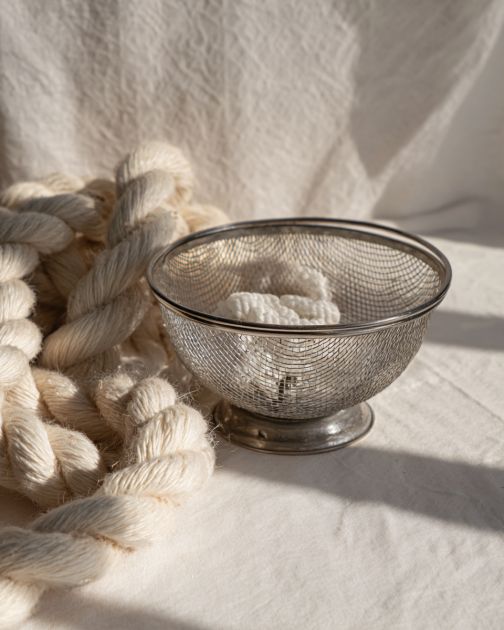
Materials
1 wire colander (approximately 10-12 inches in diameter)
3 pieces of sturdy rope (each about 4 feet long)
1 S-hook or ceiling hook
Potting soil
Assorted plants or flowers (such as succulents or petunias)
Scissors
Optional: Clear weatherproof sealant
Directions
Begin by cutting three equal lengths of rope, each about 4 feet long. This will allow your planter to hang at a convenient height.
Evenly space and tie one end of each rope securely to the rim of the wire colander. Make sure the knots are tight to prevent slipping.
Gather the other ends of the ropes together and tie them into a single knot. This will be the point from which your planter hangs.
If desired, apply a clear weatherproof sealant to the colander to protect it from the elements.
Attach an S-hook or ceiling hook to the location where you would like to hang your planter, ensuring it can support the weight.
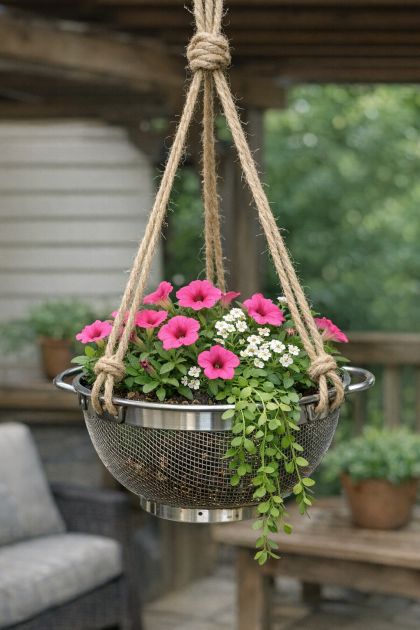
Fill the colander with potting soil, adding your choice of plants or flowers. Ensure they are securely planted.
Hang your planter using the gathered knot and adjust the ropes as necessary to ensure it hangs evenly.
Variations & Tips
For a different look, consider painting the wire colander in a vibrant color to match your porch decor. You can also use different types of rope, such as jute or colored cord, to add personality. Try experimenting with various plants that suit your climate; succulents are great for dry areas, while ferns thrive in shady spots. To add more visual interest, use two or three smaller colanders at different heights to create a layered effect.