
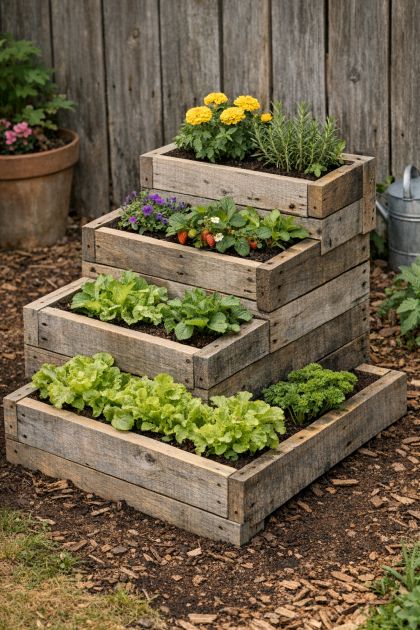
Creating a tiered garden planter from weathered pallet wood is an innovative way to bring rustic charm and functional beauty to your patio. This DIY project not only repurposes old materials but also adds a unique layered design that is both visually appealing and space-efficient. Perfect for small outdoor spaces, this planter allows you to grow a variety of plants, herbs, or flowers in a compact area.
This DIY tiered garden planter fits seamlessly into various outdoor settings, especially those with a rustic or farmhouse aesthetic. Pair it with wrought iron furniture and natural fiber textiles for a cohesive look. For a more modern touch, place it against a backdrop of sleek, monochromatic patio stones or alongside minimalist outdoor decor. Consider adding soft lighting around the planter to highlight its structure during evening gatherings.
Tiered Garden Planter from Weathered Pallet Wood
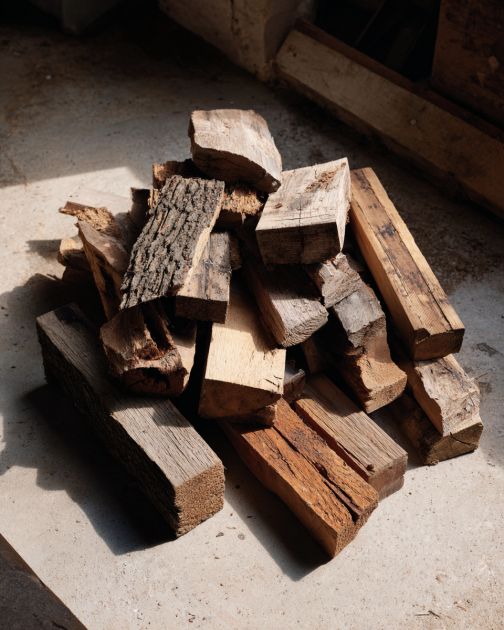
Materials
Weathered pallet wood (quantity depending on desired size)
Wood screws (1.5-inch)
Wood glue
Sandpaper (medium grit)
Wood stain or outdoor sealant
Saw (hand saw or power saw)
Drill
Measuring tape
Paintbrush
Directions
Disassemble the pallet carefully, ensuring to keep the wood pieces intact.
Using the saw, cut the wood into staggered pieces. The sizes should vary to create a tiered effect, with the longest pieces at the back and shortest at the front.
Sand the edges and surfaces of each wood piece to remove any splinters or roughness.
Arrange the wood pieces into a tiered structure, ensuring the base is stable. Use the wood screws and wood glue to secure each piece in place, creating a stair-like formation.
Once the structure is complete, apply wood stain or outdoor sealant to protect the wood from weather damage and enhance its rustic appearance.
Allow the sealant to dry completely before placing the planter outdoors.
Fill each tier with soil and plant your choice of herbs, flowers, or small vegetables.
Variations & Tips
For a different look, consider painting the wood pieces in various colors to match your patio's theme or adding decorative elements like metal brackets or corner braces for added stability and style. If you prefer a more natural approach, leave the wood unstained to allow it to age naturally over time. Additionally, you can adjust the size and number of tiers based on the available space or the type of plants you wish to grow.