
Creating a welcoming and functional garden space involves incorporating elements that support local wildlife. One simple yet impactful DIY project is crafting a bee waterer. This delightful and easy-to-make garden addition provides bees with a safe place to hydrate, essential for their survival and your garden's health. Beyond its environmental benefits, this project adds a touch of charm to your outdoor area, blending seamlessly with natural elements.
The bee waterer serves dual purposes: it's both a functional wildlife support and an attractive garden ornament. Place it amidst flower beds or near garden paths where its colorful marbles can catch the sunlight, adding visual intrigue. Its rustic terracotta base complements natural settings, enhancing the overall aesthetic of your garden with a pop of color and texture.
Terracotta Saucer Bee Waterer
Materials
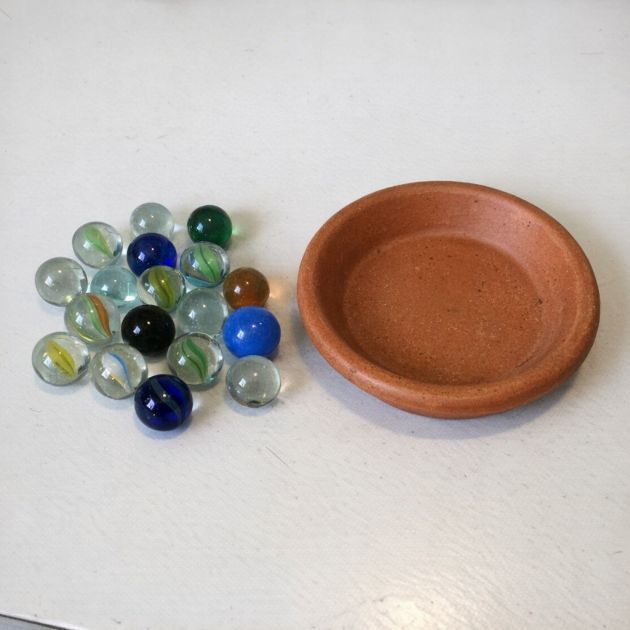
Shallow terracotta saucer, approximately 10 inches in diameter
Glass marbles, enough to cover the bottom of the saucer
Waterproof sealant (optional, for longer durability)
Water
Directions
Select a shallow terracotta saucer that suits the size of your garden space.
Clean the saucer thoroughly to remove any dust or debris.
Optionally, apply a waterproof sealant to the inside of the saucer to prolong its lifespan. Allow it to dry completely according to the product instructions.
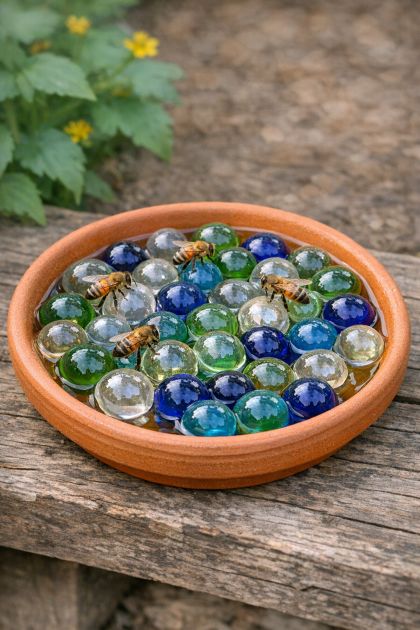
Place glass marbles evenly across the bottom of the saucer. Ensure they are spread out to provide landing spots for bees.
Fill the saucer with water just enough to cover the marbles halfway. This ensures bees can access the water without the risk of drowning.
Position the bee waterer in a shaded area of your garden to prevent the water from evaporating quickly and to keep it cool.
Check the water level regularly and replenish as needed to keep it inviting for bees.
Variations & Tips
For a personalized touch, consider using marbles of varying sizes or colors to match your garden's theme. You can also experiment with other small decorative stones or glass pebbles. If your garden has a specific color palette, choose marbles that complement it. Additionally, you could create a series of smaller waterers placed strategically throughout your garden to create a cohesive and supportive environment for bees and other beneficial insects.