
Transform simple terra cotta saucers and newspaper into an efficient and eco-friendly worm composting tower. This DIY project allows you to recycle kitchen scraps and create nutrient-rich compost for your garden, all within the comfort of your home. It's a perfect solution for those looking to reduce waste and enhance their gardening efforts with minimal space requirements.
Place your DIY worm composting tower in a well-lit corner of your kitchen or a sunny spot on your balcony. The natural earthy tones of the terra cotta will complement rustic or minimalist decor styles. Pair with small potted herbs or succulents for a cohesive and refreshing look. Ensure that the surrounding area is clean and free of clutter to highlight the structure's simplicity and function.
Terra Cotta Worm Composting Tower
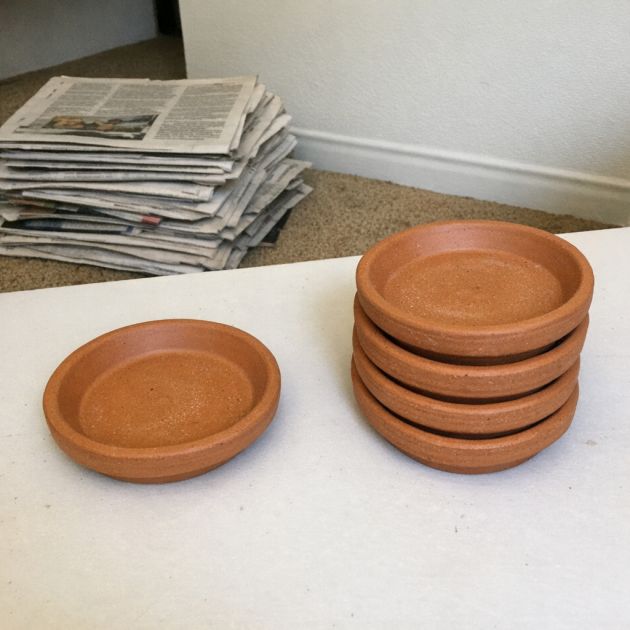
Materials
5 terra cotta saucers (10-inch diameter)
Shredded newspaper
1 terra cotta pot (8-inch diameter)
Organic soil
Red wiggler worms
Kitchen scraps
Spray bottle with water
Directions
Place the 8-inch terra cotta pot upside down on a granite countertop as the base.
Stack a 10-inch terra cotta saucer on top of the pot. Ensure it is centered for stability.
Layer the bottom saucer with a generous amount of shredded newspaper to cover the surface.
Spray the newspaper with water until damp but not soaked.
Add a layer of organic soil on top of the newspaper, about 1 inch thick.
Introduce a handful of red wiggler worms on top of the soil.
Add a small amount of kitchen scraps, such as vegetable peels or fruit scraps, ensuring they are finely chopped.
Repeat steps 2 to 7, stacking each saucer on top of the previous one to create a tower.
Ensure the top saucer has a sufficient amount of newspaper, soil, and kitchen scraps for the worms to thrive.
Gently spray the entire structure to maintain moisture, paying special attention to the top layer.
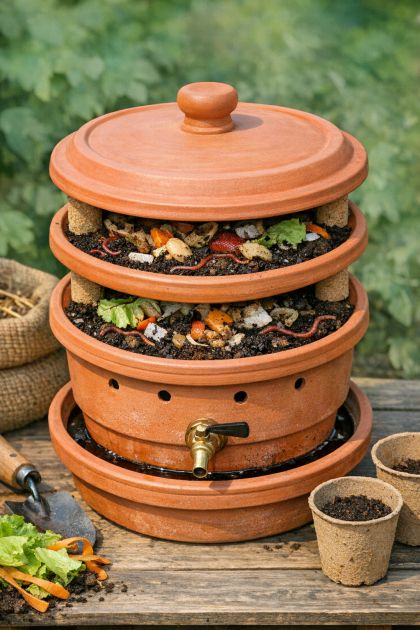
Variations & Tips
To enhance your composting tower, consider using different sizes of terra cotta saucers for a staggered effect, which can improve aeration. You can also introduce additional organic materials such as coffee grounds or crushed eggshells to diversify the compost substrate. If you prefer a more colorful setup, paint the outside of the saucers with non-toxic, waterproof paint to match your home’s aesthetic. Ensure the paint does not interfere with the composting process by keeping the interior of the saucers unpainted.