
Transforming everyday scrap pieces into effective gardening tools can be both a cost-effective and eco-friendly solution. Slugs and snails can be a real nuisance in gardens, particularly in wet climates or during the spring when they're most active. By creating slug-proof collar guards from reused materials, you can protect your plants from these pests without resorting to chemicals. This DIY project is perfect for anyone looking to safeguard their garden while also reducing waste.
These slug-proof collar guards are versatile and can be integrated into various garden styles. Use them in rustic cottage gardens to protect delicate flowers, or in modern raised vegetable beds to ensure your crops remain untouched by pests. They're ideal for container gardens on patios or balconies, where space is limited and protection is crucial. The metallic sheen of the aluminum can complement both bright, colorful plantings and more subdued, monochrome garden designs.
Aluminum Can Slug-Proof Collar Guards
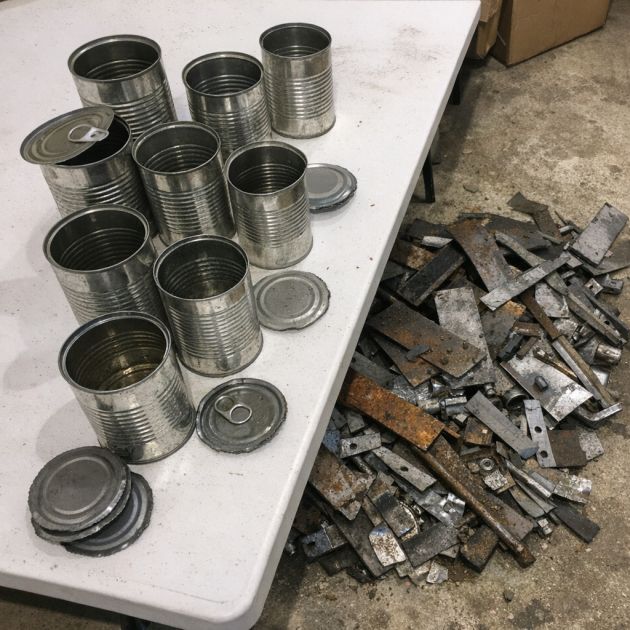
Materials
4 empty aluminum soup cans (with lids removed)
1 metal baking sheet
Aluminum foil
Oven mitts
Directions
Preheat your oven to 400°F (200°C).
Line the metal baking sheet with aluminum foil to protect it from any residue.
Place the empty aluminum soup cans, open side up, on the baking sheet.
Bake the cans in the oven for 30 minutes. This will help sterilize them and make them more malleable.
Carefully remove the baking sheet from the oven using oven mitts and allow the cans to cool completely.
Once cool, take each can and press the edges down slightly to smooth any sharp points.
Position the cans around the base of your plants, pressing the edges into the soil slightly to secure them.
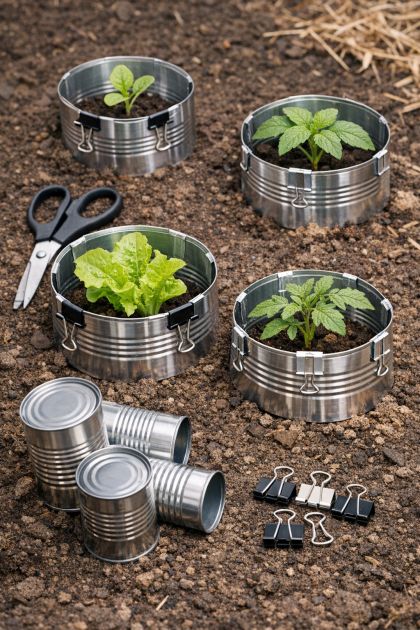
Variations & Tips
For different climates, consider painting the cans with weather-resistant paint to prevent rust if you're in a humid area. Swap aluminum soup cans with tin cans for a rustic look, or use copper tape around the top edge to enhance slug deterrence. Adapt the size of the cans for larger plants by using coffee cans. Plant-specific adjustments include using these guards around delicate seedlings or high-value crops like strawberries, where slug damage can be particularly detrimental.