
In the world of gardening, successful pollination is key to bountiful harvests and thriving plants. However, many gardeners face challenges with fungal infections affecting their pollinators. This DIY project offers a simple and effective solution by creating fungal-resistant hand pollinators using just two materials. Ideal for those looking to enhance their garden's health and yield, this project is perfect for all seasons and can be a lifesaver for gardeners struggling with fungal issues.
This DIY project fits seamlessly into a variety of garden settings. Whether you're working with raised beds filled with vegetables like tomatoes and cucumbers, containers housing herbs like basil and mint, or flower borders featuring marigolds and zinnias, these hand pollinators will be a valuable addition. The design is simple and modern, making it suitable for both rustic and cottage-style gardens. Not only does this tool help with pollination, but it also adds a touch of practicality and innovation to your gardening toolkit.
Cotton Swab Cinnamon Fungal-Resistant Hand Pollinators
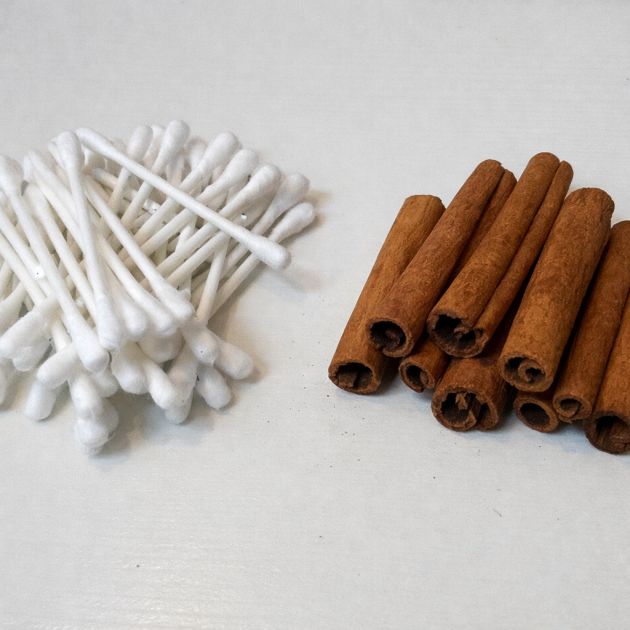
Materials
White cotton swabs - 10 pieces
Ground cinnamon - 1 tablespoon
Directions
1. Lay out a clean, dry surface to work on, such as a table or large tray.
2. Pour the tablespoon of ground cinnamon onto a small plate or shallow dish.
3. Take one cotton swab and gently roll the cotton end in the cinnamon, ensuring an even coating of the spice on the surface.
4. Repeat the rolling process for each cotton swab until all are evenly coated with cinnamon.
5. Allow the coated swabs to sit for a few minutes, allowing the spice to adhere properly.
6. Once ready, use these swabs to gently touch the flowering parts of your plants, assisting with manual pollination while the cinnamon helps resist fungal growth.

Variations & Tips
For gardeners in different climates, consider substituting ground cinnamon with other antifungal spices like turmeric or clove powder. For larger plants or flowers, use larger cotton balls instead of swabs for greater coverage. In humid environments, store the cinnamon-coated swabs in an airtight container to maintain their effectiveness. Additionally, adapting the swabs for specific plants, such as using them only for fruit-bearing species, can optimize their utility in your garden.