
In the quest for a water-efficient garden, a porous irrigation ring crafted from recycled materials provides an innovative solution. Designed to deliver water directly to plant roots, this DIY project is perfect for gardeners looking to reduce water waste and ensure even moisture throughout their garden beds. By reusing chopped green garden hoses, we create an eco-friendly, cost-effective irrigation system ideal for dry seasons when water conservation is crucial.
This DIY irrigation ring can be seamlessly integrated into various garden settings, such as vegetable patches, herb gardens, or flower borders. Its adaptable design suits rustic, cottage-style gardens and modern landscapes alike. Perfect for raised beds or container gardens, the irrigation ring allows for precise watering of drought-tolerant plants like tomatoes, basil, and lavender, minimizing water runoff and promoting lush growth.
DIY Porous Irrigation Ring Using Recycled Garden Hoses
Materials
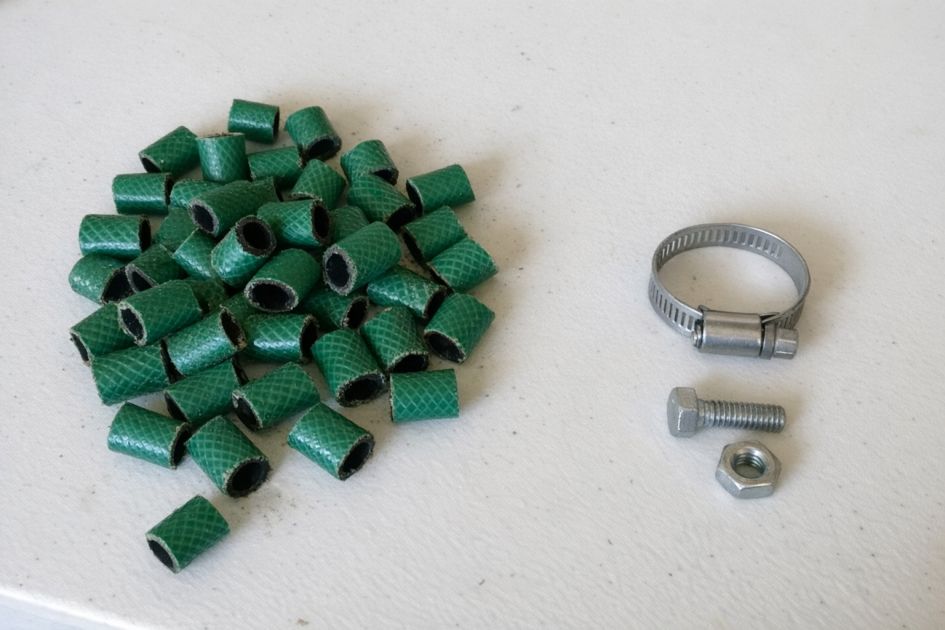
1 old green garden hose, cut into 6-inch segments
1 plastic bucket
Mild dish soap
2 basic hardware hose connectors
1 small hand drill with 1/16-inch drill bit
Directions
Cut the old green garden hose into multiple 6-inch segments.
Fill a plastic bucket with warm water and add a few drops of mild dish soap.
Soak the chopped hose segments in the soapy water for 15 minutes to clean and soften them.
Remove the segments from the water and rinse them thoroughly.
Using a small hand drill, carefully drill small holes spaced evenly along the length of each hose segment to create the porous effect.
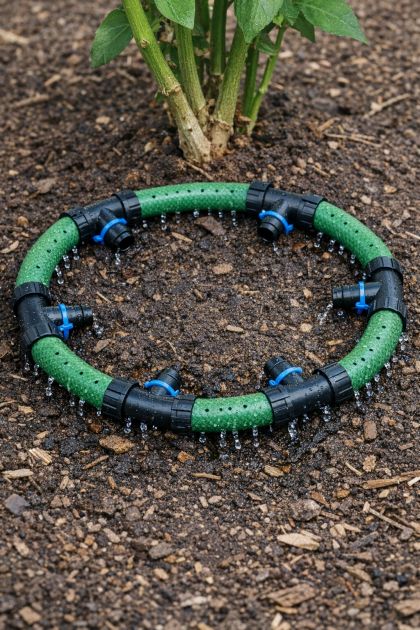
Attach the segmented hoses into a ring shape using the two basic hardware hose connectors, ensuring a secure fit.
Place the completed irrigation ring around the base of the plants you wish to water, ensuring it is positioned to cover the root zone effectively.
Connect the ring to a water source and test for even water distribution.
Variations & Tips
To adapt this irrigation ring for different climates, consider using more segments for larger areas or adding a timer to automate watering during dry spells. Swap the green garden hose for a black one if a more discreet appearance is desired. For plant-specific adaptations, adjust the number of drilled holes based on the water needs of the plants, with fewer holes for succulents and more for thirsty vegetables. In colder climates, use frost-resistant hose materials to prevent damage.