
Transform your garden into a floating paradise with this simple yet ingenious DIY project. By repurposing common pool noodles and combining them with a few household supplies, you can create floating pond planters that not only add a splash of color to your water feature but also provide a perfect home for your aquatic plants. This project is ideal for garden enthusiasts looking to enhance their pond's aesthetic and support a healthy ecosystem.
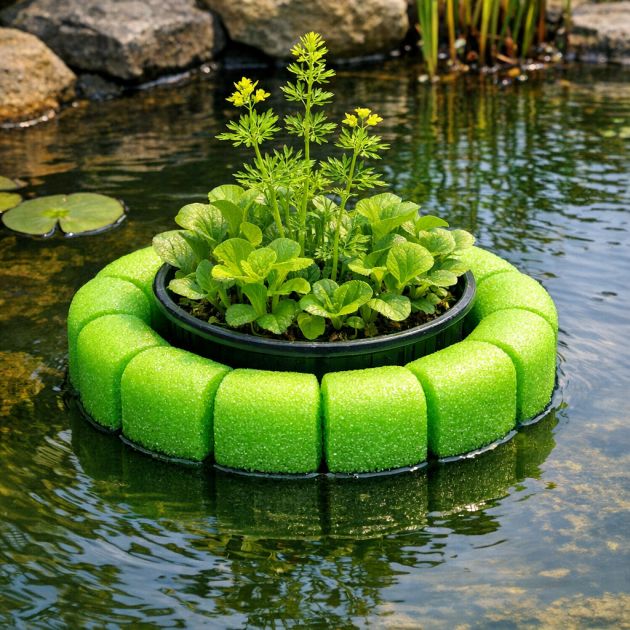
Position these floating planters in a pond or water feature where they can catch the eye. Group several together for a vibrant cluster effect, or space them evenly for a more uniform look. Coordinate the colors of the pool noodles with surrounding garden elements or choose bold, contrasting colors for a striking visual impact. The natural greens of the plants will complement the bright hues of the noodles, creating a lively and harmonious outdoor decoration.
Floating Pool Noodle Pond Planter
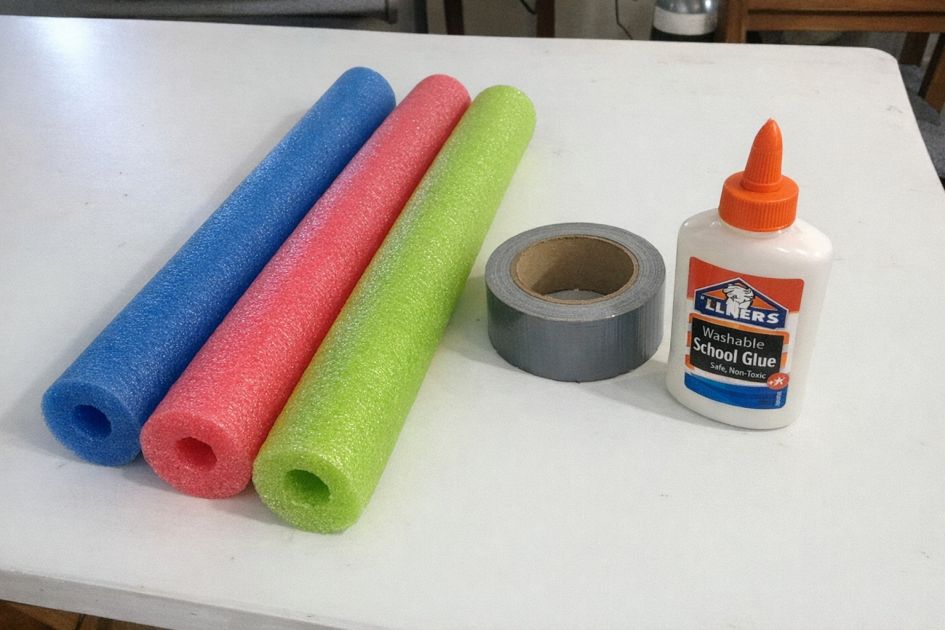
Materials
2 bright green pool noodles
Serrated knife
Waterproof glue
Plastic plant pots with drainage holes, 4-inch diameter
Aquatic plants or floating plants of your choice
Beige drop cloth
Directions
Lay the beige drop cloth on a flat surface to protect it.
Using the serrated knife, carefully slice the pool noodles into two-inch thick discs.
Arrange the discs in a circular formation to form a ring slightly larger in diameter than the plant pot.
Secure the discs together by applying waterproof glue along their edges. Allow the glue to dry completely.
Once the ring is stable, place the plant pot inside the ring. The pot should fit snugly but not tightly.
Fill the pot with aquatic plants or floating plants of your choice.
Place the completed planter in your pond or water feature, ensuring it floats freely and stably.
Variations & Tips
For a unique twist, consider using pool noodles in various colors to create a multi-hued floating planter. You can also use larger or smaller plant pots to accommodate different plant types, as long as the pot fits securely within the noodle ring. If you desire more stability, consider adding a few small pebbles to the bottom of the plant pot to slightly weight it down, ensuring it doesn't tip over in windy conditions. Experiment with different aquatic plants to create a diverse and dynamic floating garden.