
Transforming pool noodles into floating seed starter trays is an ingenious way to recycle materials while providing a practical and visual solution for gardening enthusiasts. By combining just two materials, you can create buoyant, efficient seed starters that maximize space and ensure optimal growth conditions for your seedlings. This DIY is perfect for anyone looking to start their garden indoors or in limited spaces, offering a fun and eco-friendly alternative to traditional seed trays.
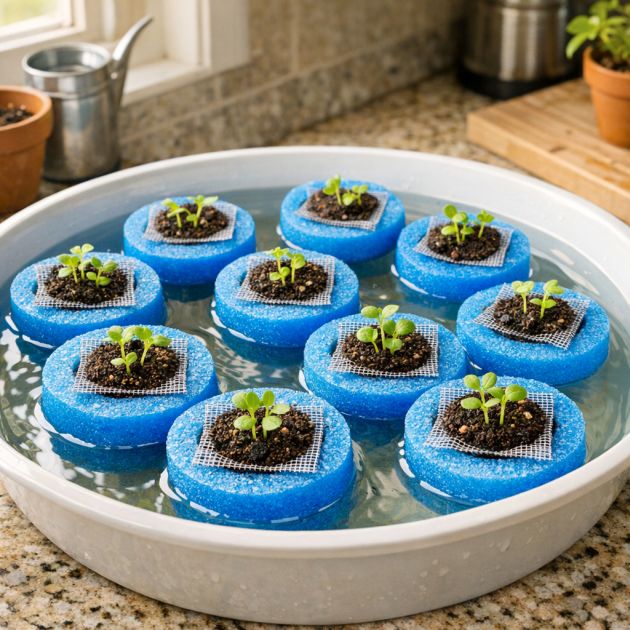
Place the finished floating seed starter trays in a shallow, decorative container filled with water. Choose a container that complements your interior decor, such as a rustic wooden bowl for a natural feel or a sleek glass dish for modern minimalism. The bright colors of the pool noodles can add a playful touch to any space, while the subtle mesh fabric maintains a clean, organized look. Position it near a window to provide natural light, enhancing both the aesthetic and functionality.
Floating Pool Noodle Seed Starters
Materials
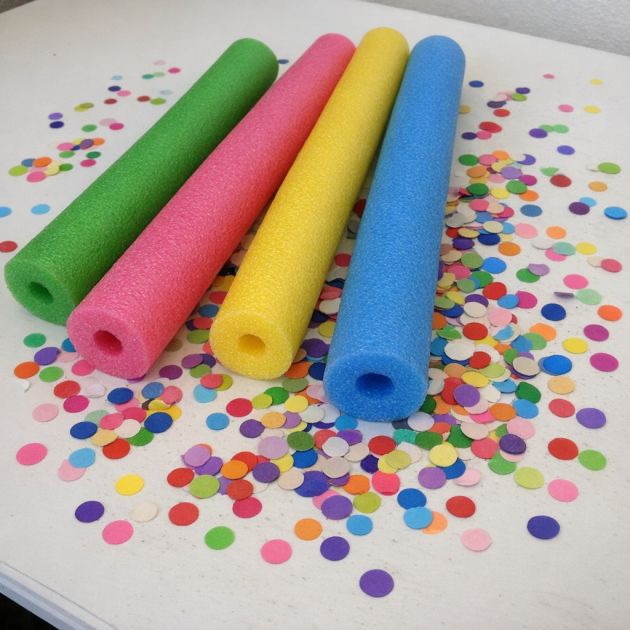
1 bright blue pool noodle
1 small roll of mesh fabric (such as nylon or polyester)
Serrated knife
Scissors
Directions
Using the serrated knife, slice the pool noodle into thick rings approximately 1 inch wide.
Cut the mesh fabric into small squares, each about 3 inches by 3 inches.
Place a mesh square over the center of each pool noodle ring, ensuring it covers the hole completely.
Push the mesh fabric slightly into the hole, creating a shallow pocket for the soil and seeds.
Repeat the process for all pool noodle rings.
Fill each mesh-lined pocket with soil and plant your seeds as desired.
Place the completed seed starters in a shallow dish of water, allowing them to float freely.
Variations & Tips
For a personalized touch, consider using pool noodles in different colors to match specific themes or seasons. Alternatively, experiment with varying mesh fabric patterns or colors to create visual interest. To improve functionality, try using biodegradable mesh fabric, allowing for easy transplantation of seedlings directly into the soil. For a more robust structure, double-layer the mesh fabric to add durability and support for larger seeds.