
Transform your surplus of plastic grocery bags into a durable and practical workshop tool roll with just two additional household items. This DIY project not only helps recycle and reduce waste, but also provides a sturdy and resilient storage solution for your tools. Ideal for those looking to add a sustainable touch to their DIY toolkit, this method leverages the surprising strength of melted plastic for a highly functional result.
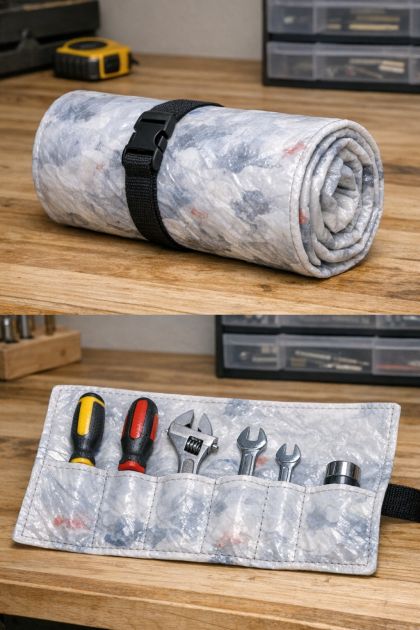
The finished tool roll can be styled in a workshop or garage setting, where its sleek and rugged appearance complements industrial themes. Place it on a workbench or hang it on a pegboard for easy access. Its neutral and muted tones pair well with metallic tools and wooden surfaces, while its compact design ensures it blends seamlessly into minimalist, organized spaces.
Recycled Plastic Tool Roll
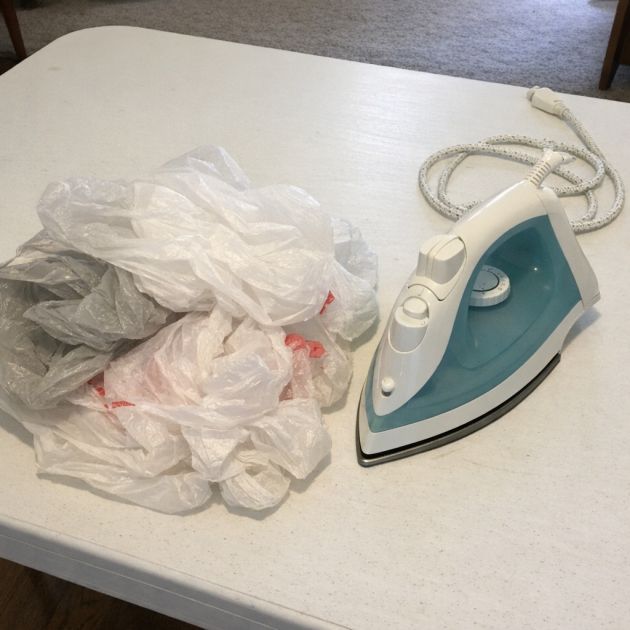
Materials
20 plastic grocery bags
Parchment paper (2 sheets, large enough to cover the ironed area)
Cloth iron
Scissors
Ruler or measuring tape
Fabric or strong thread for sewing (optional)
Directions
Flatten each plastic grocery bag by cutting off the handles and the bottom seam to create flat sheets.
Stack the plastic sheets on top of each other, ensuring they are aligned evenly.
Preheat the iron to a medium setting. Place a sheet of parchment paper on the workbench, then place the stack of plastic sheets on top, followed by another sheet of parchment paper.
Carefully iron over the parchment paper in a circular motion, allowing the heat to fuse the plastic sheets together. Check periodically to ensure even melting.
Once the layers are fused and cooled, trim the edges to create a rectangular shape approximately 18 inches by 24 inches.
Fold the rectangle into thirds lengthwise to form compartments and sew along the creases using fabric or strong thread to create defined tool slots.
Roll up the tool holder and secure with a strap or additional piece of plastic, if desired.
Variations & Tips
For added functionality, consider incorporating a Velcro strap or snap buttons to keep the tool roll securely closed. Experiment with different plastic bag colors to customize the look, or add an extra layer of melted plastic for additional thickness and durability. For those with sewing skills, integrate canvas or denim panels to the interior for a hybrid design that offers both flexibility and ruggedness.