
This DIY project transforms heavy-duty rubber car floor mats into ultra-tough workshop fixtures using a simple boiling process with three common household liquids. By repurposing materials you might already have, you can create durable and versatile fixtures for your workshop. The project not only saves money but also encourages sustainability by giving new life to old materials.
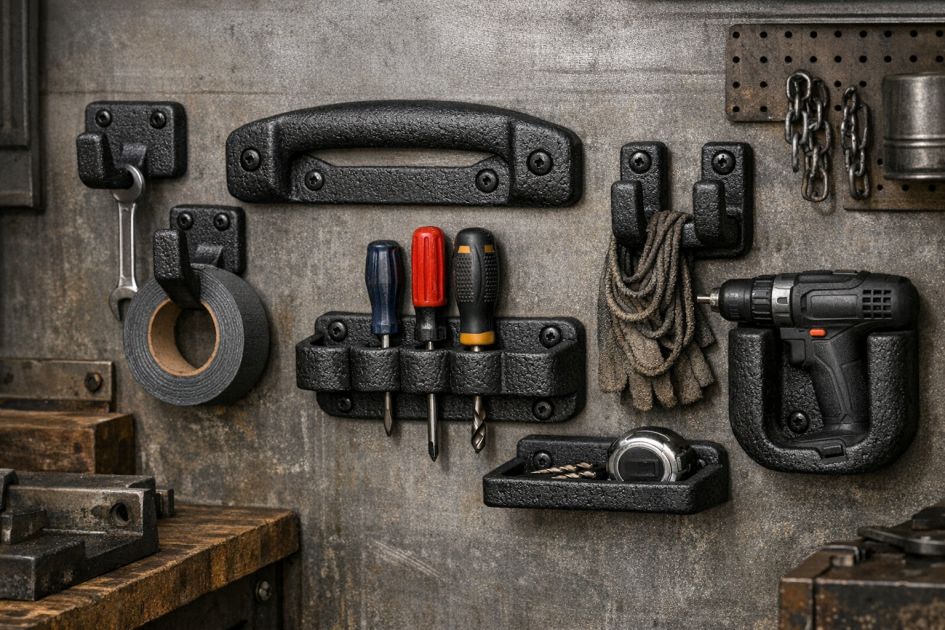
The finished fixtures can be styled in a workshop or garage setting, where their rugged appearance complements an industrial aesthetic. Place them against a backdrop of raw wood or metal surfaces to enhance the utilitarian feel. The dark tones of the rubber will contrast well with lighter backgrounds, adding a striking visual element to your workspace.
Boiled Rubber Workshop Fixtures
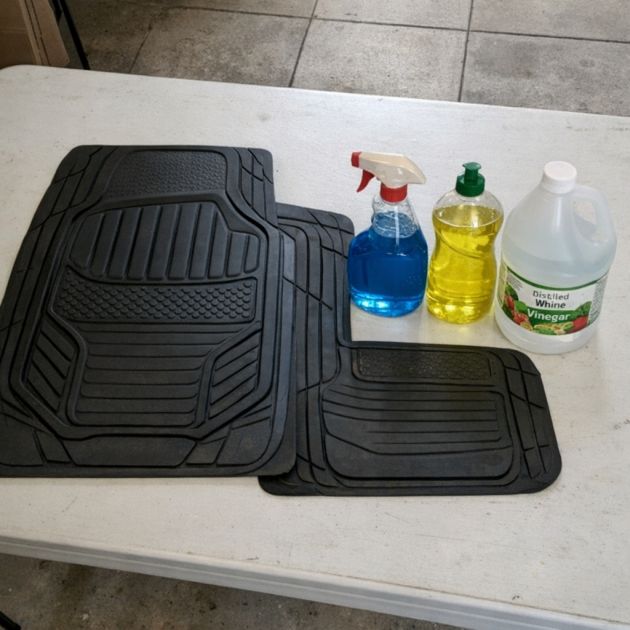
Materials
1 set of heavy-duty rubber car floor mats, chopped into varying shapes
2 gallons of water
1 cup of vinegar
1 cup of lemon juice
1 cup of dish soap
Directions
Fill a large pot with 2 gallons of water and bring it to a boil.
Add 1 cup of vinegar, 1 cup of lemon juice, and 1 cup of dish soap to the boiling water.
Carefully add the chopped rubber floor mats to the pot, ensuring they are fully submerged.
Boil the rubber pieces for 30 minutes, stirring occasionally to ensure even exposure to the liquids.
After boiling, remove the rubber pieces from the pot using tongs and lay them out on a gritty concrete surface to cool.
Once cooled, arrange the rubber pieces into your desired fixture shapes, such as hooks, handles, or holders.
Allow the rubber to dry completely, enhancing its toughness and adherence to its new shape.
Secure your rubber fixtures to the workshop walls or surfaces using industrial adhesive or screws as needed.
Variations & Tips
For those looking to add color to the fixtures, consider incorporating a rubber-safe dye during the boiling process. This can provide a pop of color while maintaining the core functionality of the fixtures. Additionally, varying the shapes and sizes of the rubber pieces can allow for customized fixtures tailored to specific needs, such as larger holders for tools or uniquely curved hooks for cables.