
Building a worm composting station in your garden is an eco-friendly and cost-effective way to recycle kitchen waste into nutrient-rich compost. This DIY project is perfect for gardeners looking to enhance soil fertility naturally, especially during the growing seasons of spring and summer. A worm composting station can significantly reduce household waste and provide your plants with organic fertilizer, promoting healthier growth and vibrant blooms.
This worm composting station integrates seamlessly into any garden style, be it rustic, modern, or cottage. Place it near vegetable patches, herb gardens, or flower borders, where it can blend naturally while providing easy access for waste inputs. Suitable plants include tomatoes, lettuce, and basil, which thrive on the nutrient-rich compost. The white bucket offers a neutral aesthetic, easily camouflaged among garden foliage or decor elements.
5-Gallon Bucket Worm Composting Station
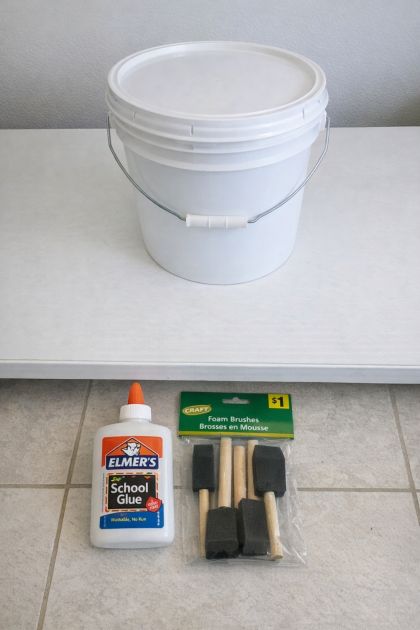
Materials
1 white 5-gallon bucket with lid
1 drill with small drill bit (1/8 inch preferred)
1 sheet of fine mesh screen (approx. 12x12 inches)
1 rubber band or zip tie
Organic kitchen scraps (e.g., vegetable peels, coffee grounds)
Shredded newspaper or cardboard
Red wiggler worms (Eisenia fetida)
Directions
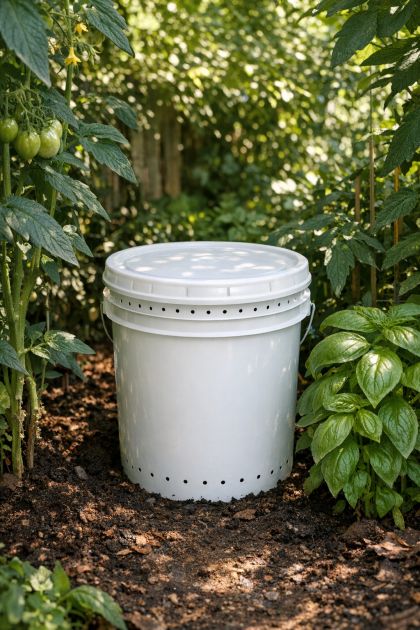
Drill several small holes evenly across the bottom of the 5-gallon bucket for drainage.
Drill additional small holes around the sides near the top rim for aeration.
Cut the fine mesh screen to cover the bottom inside of the bucket and secure it with a rubber band or zip tie to prevent worms from escaping.
Add a layer of shredded newspaper or cardboard at the bottom of the bucket to create bedding for the worms.
Introduce the red wiggler worms onto the bedding.
Add organic kitchen scraps on top of the worm bedding, ensuring not to overfill.
Place the lid on the bucket to protect the contents while allowing for airflow through the side holes.
Position the bucket in a shaded area of your garden to maintain a cooler temperature for the worms.
Variations & Tips
For variations, consider swapping the white bucket for a colored one to blend with specific garden themes. If space allows, use larger containers for increased compost capacity. In colder climates, insulate the bucket with straw or burlap to maintain temperature. Plant-specific adaptations include using compost for acid-loving plants like blueberries by adding pine needles to the compost. For a more modern look, opt for sleek black buckets and arrange them in a geometric pattern for a contemporary garden design.