
Create an innovative and cost-effective solution to keep your plants warm during the cooler months with this DIY project. By utilizing reflective materials, you can enhance the heat absorption around your plants, promoting healthy growth and extending your growing season. This project is perfect for gardeners looking to maximize their plant yield in the fall or early spring when temperatures are unpredictable.
This DIY reflective heat-boosting plant warmer can seamlessly integrate into various garden styles, from rustic cottage gardens to sleek modern plots. It's especially useful for vegetable gardens, herb patches, and flower beds that could benefit from additional warmth. Place these warmers around raised beds, within container gardens, or along garden borders to create a visually appealing yet functional enhancement. Their reflective nature adds a touch of sparkle among the greenery, making them a subtle yet decorative garden feature.
Reflective Heat-Boosting Plant Warmers with Aluminum Foil Tape
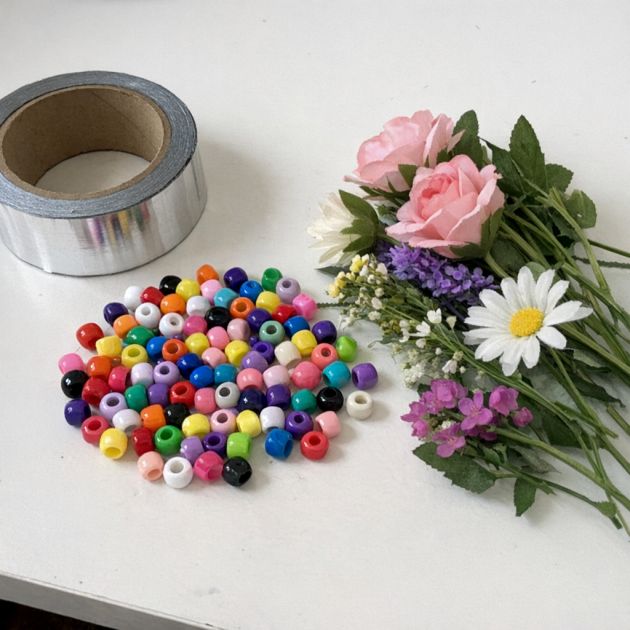
Materials
1 roll of shiny aluminum foil tape, 50 meters
3 black plastic nursery pots, 1 gallon each
1 pair of scissors
Directions
Cut the aluminum foil tape into strips approximately 30 inches long.
Twist each strip into a spiral shape by holding one end and winding the tape around itself until you form a spring-like coil.
Repeat the process until you have enough spirals to encircle the base of your plants.
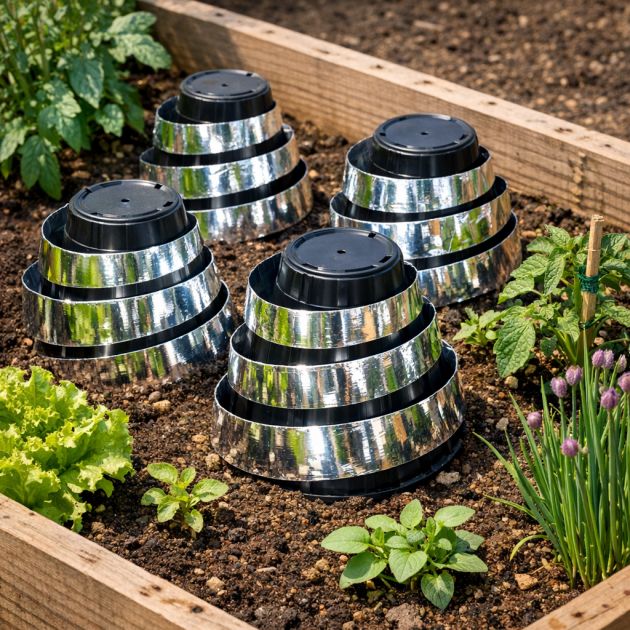
Place the black plastic nursery pots upside down in the soil around your plants, ensuring they are stable and secure.
Position the twisted aluminum foil strips around the pots, securing them in place by intertwining them or gently pressing them into the soil.
Adjust the spirals to ensure they are angled towards the plants, maximizing the reflective surface area to direct sunlight and warmth towards the plant base.
Variations & Tips
For a more durable option, consider using reflective metal strips instead of aluminum foil tape. In regions with high wind, secure the spirals by anchoring them to small stakes or using heavier pots. For plants that prefer warmer climates, such as tomatoes or peppers, create larger spirals to maximize heat absorption. In particularly cold areas, combine this project with row covers or cloches to provide additional protection from frost. Customize the aesthetics by spray painting the pots in garden-friendly colors that complement your existing setup.