
Transforming your garden setup into a versatile and organized space can be both cost-effective and environmentally friendly. This DIY project offers a simple solution for gardeners looking to create adjustable raised bed dividers using affordable materials. By repurposing cheap foam sleep pads into functional garden accessories, you can easily manage different plant types within the same bed, optimize growing conditions, and maintain better irrigation control. This technique is particularly useful during the growing season, allowing for quick adjustments as plants grow and seasons change.
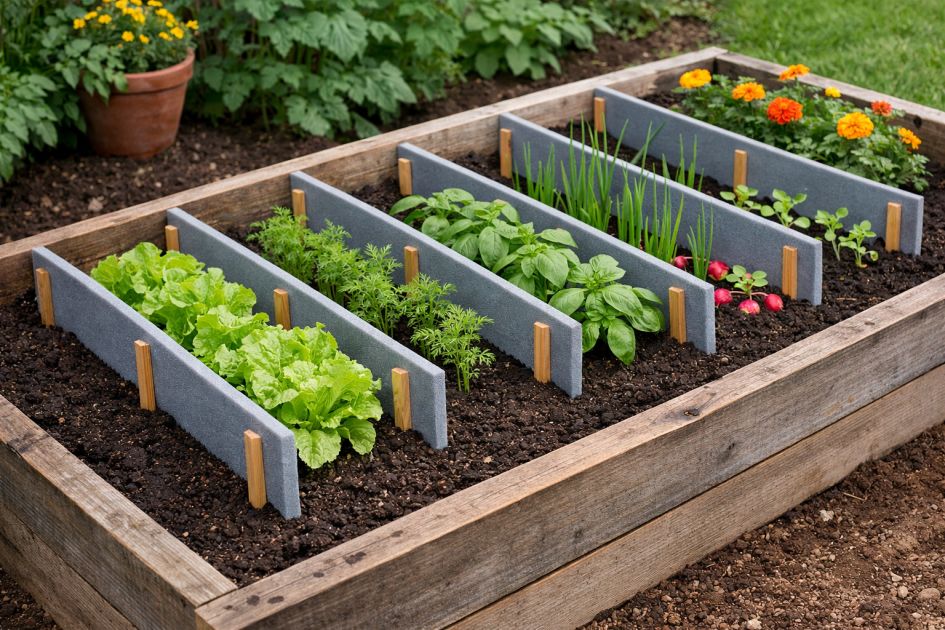
This DIY integrates seamlessly into a variety of garden settings, from rustic to modern. Ideal for vegetable gardens, herb patches, or even flower beds, these dividers help maintain order and aesthetic appeal. Use them in raised beds to separate different crops, ensuring each plant gets the necessary nutrients and care. They can also be placed in container gardens to visually organize space or create microclimates. The foam's neutral gray color blends well with natural surroundings, and the flexible design complements both structured and informal garden layouts.
Foam Pad Adjustable Raised Bed Dividers
Materials
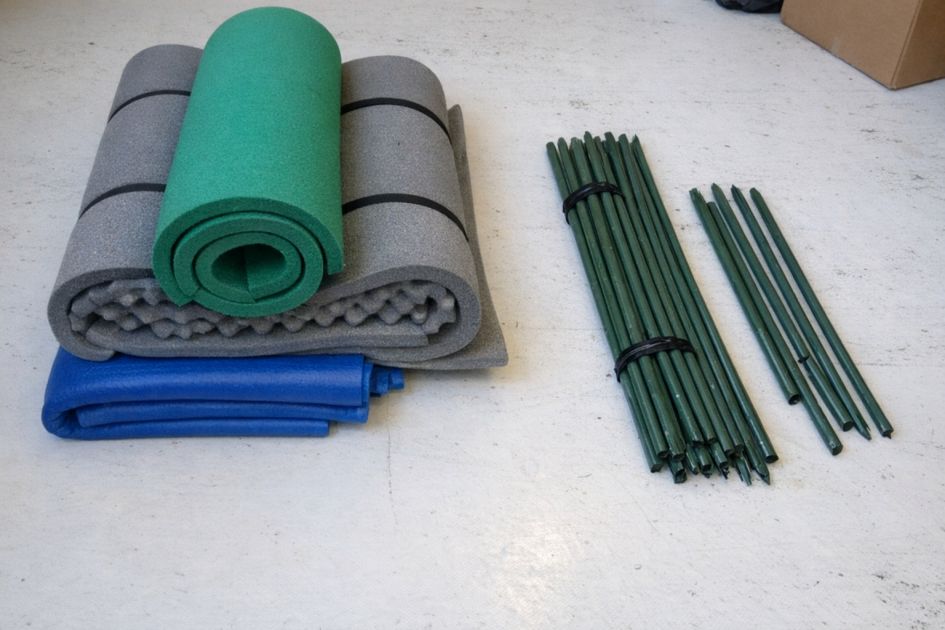
Cheap foam sleep pads (approximately 1-inch thick, gray color)
Heavy-duty scissors or sharp utility knife
Garden stakes (wood or plastic, approximately 12 inches long)
Zip ties or garden wire (to secure foam to stakes)
Directions
1. Lay the foam sleep pad on a flat surface, such as a cement patio or driveway.
2. Using heavy-duty scissors or a sharp utility knife, cut the foam pad into long strips, each approximately 6 inches wide. Ensure the strips are uniform in width for a consistent look.
3. Take a garden stake and attach a foam strip to it by wrapping a zip tie or garden wire around the top and bottom of the stake, securing the foam in place.
4. Repeat the process for the desired number of dividers, ensuring each foam strip is firmly attached to a stake.
5. Insert the stakes into the soil of your raised bed where you want to create divisions. Space them according to the layout you wish to achieve.
6. Adjust the foam strips by moving the stakes as needed to change the layout or accommodate different plant growth.
Variations & Tips
For a more durable alternative, consider using foam sheets with a higher density or even recycled plastic panels, which offer increased resistance to weather conditions. In regions with heavier rainfall, waterproofing the foam with a protective spray can help prolong its life. Adapt the divider size to suit specific plants; taller plants might benefit from higher dividers, while shorter plants can be managed with lower ones. In colder climates, use black foam to absorb more heat and retain warmth in the soil. Additionally, personalize the dividers by painting the stakes or foam strips to match your garden's aesthetic or label each section with plant names for easy identification.