
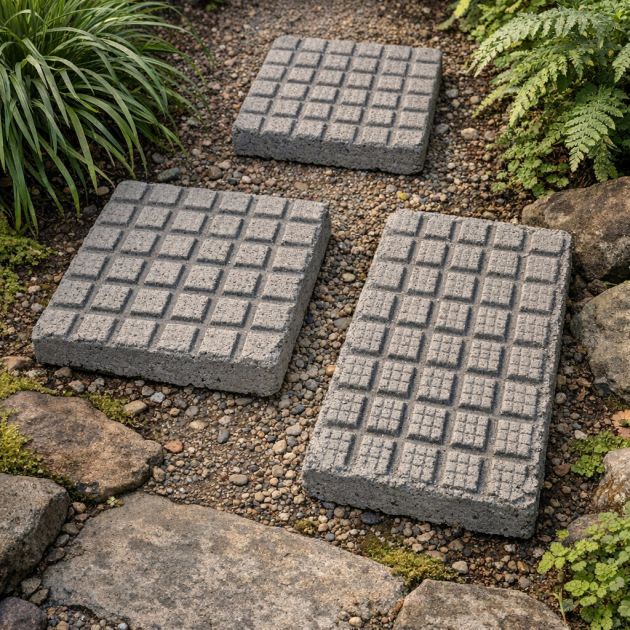
Transform your backyard into a stunning oasis with this unique DIY project that uses inexpensive plastic fly swatters and cement to create textured yard slabs. This project is perfect for anyone looking to add an artistic and personal touch to their outdoor space without breaking the bank. The heavy grid texture created by the fly swatters adds a modern and visually striking element to your garden or patio, making it a conversation starter for any gathering.
Once completed, these textured yard slabs can be used to create a pathway in your garden or a decorative border around your patio. Pair them with lush greenery or colorful flowers to enhance the contrast between the natural elements and the industrial texture of the slabs. For a cohesive look, consider matching the color of the cement to other stone or concrete elements in your backyard. Keep the setting minimalistic to allow the unique texture of the slabs to stand out.
Fly Swatter Textured Cement Slabs
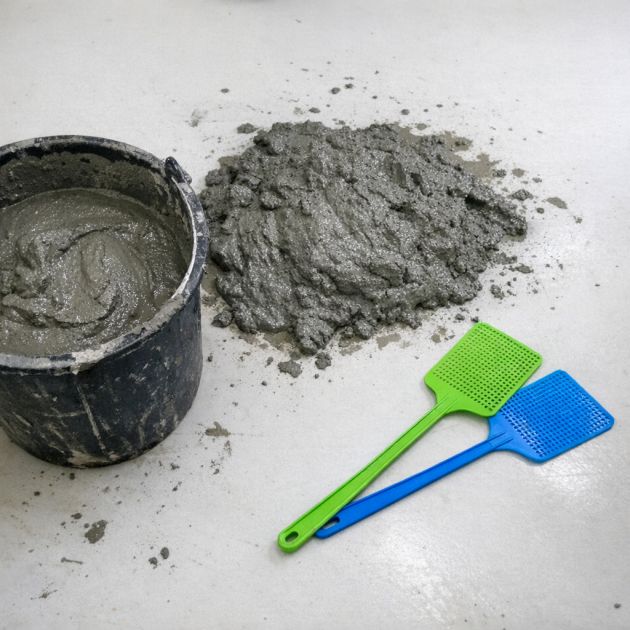
Materials
Plastic fly swatters (variety of shapes, 3-5 pieces)
Quick-setting cement mix (20 lbs)
Water (as per cement mix instructions)
Mixing bucket
Trowel
Wooden table or flat surface for working
Directions
1. Prepare your workspace by setting up a sturdy, flat wooden table or surface where you will work with the cement.
2. Mix the quick-setting cement in a bucket according to the manufacturer's instructions, adding water gradually until the desired consistency is achieved.
3. Pour the wet cement onto the wooden table, spreading it out with a trowel to achieve a uniform thickness of about 1-2 inches.
4. Take the plastic fly swatters and gently press them into the wet cement, creating a grid-like texture. Vary the orientation and spacing of the swatters to add interest.
5. Allow the cement to set partially, then carefully remove the fly swatters, revealing the textured pattern.
6. Let the cement cure fully according to the mix's instructions before handling or moving the slabs.
Variations & Tips
For variations, consider using colored cement to add a vibrant touch to the slabs, blending them with your garden's color palette. Alternatively, you could experiment with different shapes of plastic objects to press into the wet cement, such as leaves or lace, to diversify the texture while maintaining the core grid structure. Another improvement could be sealing the slabs with a weather-resistant finish to enhance durability and color longevity.