
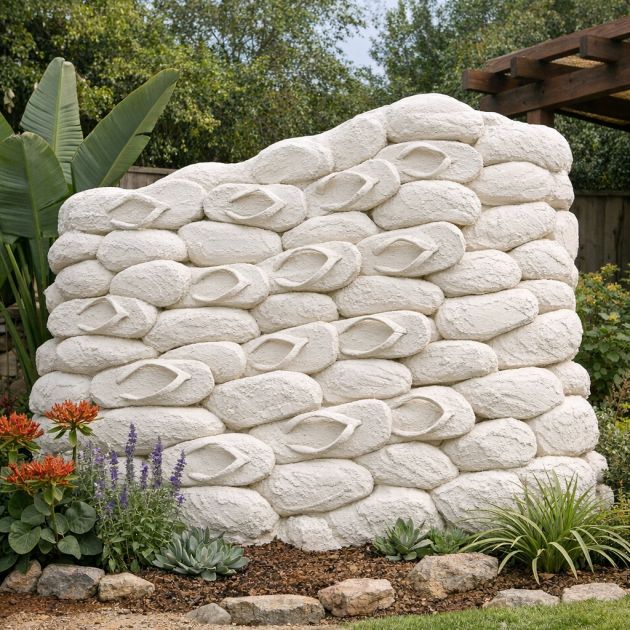
Creating a modern textured faux-adobe privacy screen for your backyard is a unique and affordable way to add style and seclusion to your outdoor space. By using cheap rubber flip flops coated in thick white wall plaster, you can transform these everyday items into a stunning architectural feature that mimics the look of adobe walls. This project not only recycles materials but also provides a creative solution for enhancing privacy and aesthetic appeal in your garden or patio area.
Place the finished screens strategically in your backyard to create cozy nooks or define distinct areas. Coordinate the screens with earthy tones and natural materials like terracotta pots, wooden furniture, and lush greenery to complement the adobe-like texture. Use soft lighting, such as string lights or lanterns, to highlight the texture and create an inviting atmosphere in the evening.
Faux-Adobe Flip Flop Privacy Screen
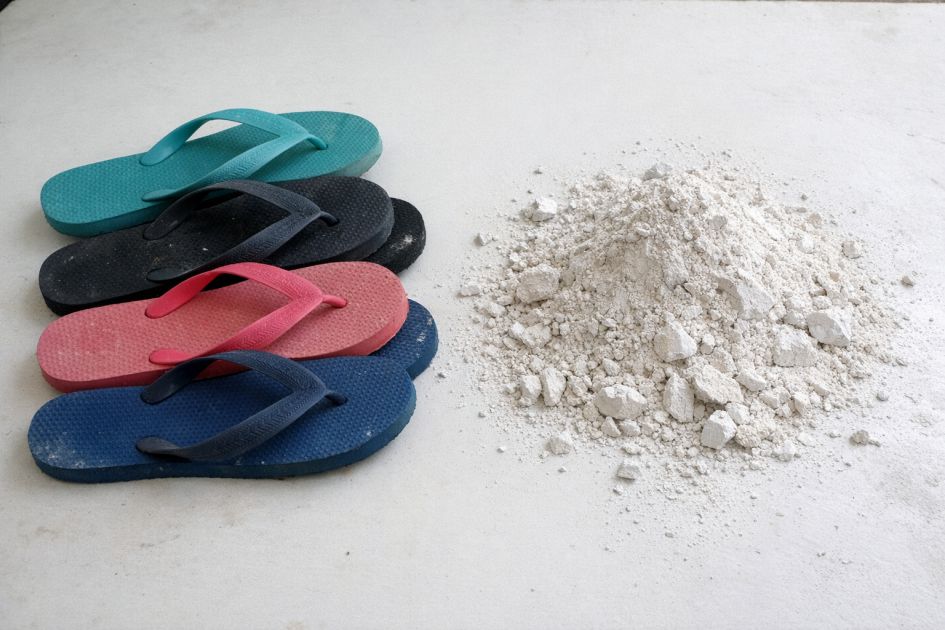
Materials
80 cheap rubber flip flops
5 gallons of thick white wall plaster
Paintbrushes
Sandpaper (medium grit)
Water
Protective gloves
Drop cloth
Wooden stakes or frames (optional for support)
Directions
1. Lay out a drop cloth to protect your working area and wear protective gloves.
2. Arrange the rubber flip flops in the desired shape for your screen, creating layers if needed for thickness.
3. Mix the wall plaster according to the manufacturer's instructions, ensuring it's thick enough to adhere to the flip flops.
4. Using a paintbrush, generously coat each flip flop with the plaster, ensuring all surfaces are covered.
5. Allow the plaster to partially dry, then apply a second coat for added texture and coverage.
6. Once the plaster is fully dry, use sandpaper to smooth any rough edges or uneven areas, creating an adobe-like texture.
7. Optional: Attach the flip flops to wooden stakes or a frame for additional support and structure.
8. Position the finished screen in your backyard, securing it firmly in place.
Variations & Tips
For a more colorful version, consider tinting the plaster with natural pigments before application to achieve a variety of earthy tones. You can also experiment with different textures by using tools like sponges or brushes to create unique patterns in the plaster. If additional stability is needed, consider integrating metal rods or wire mesh within the plaster layers to reinforce the structure while maintaining the original design intent.