
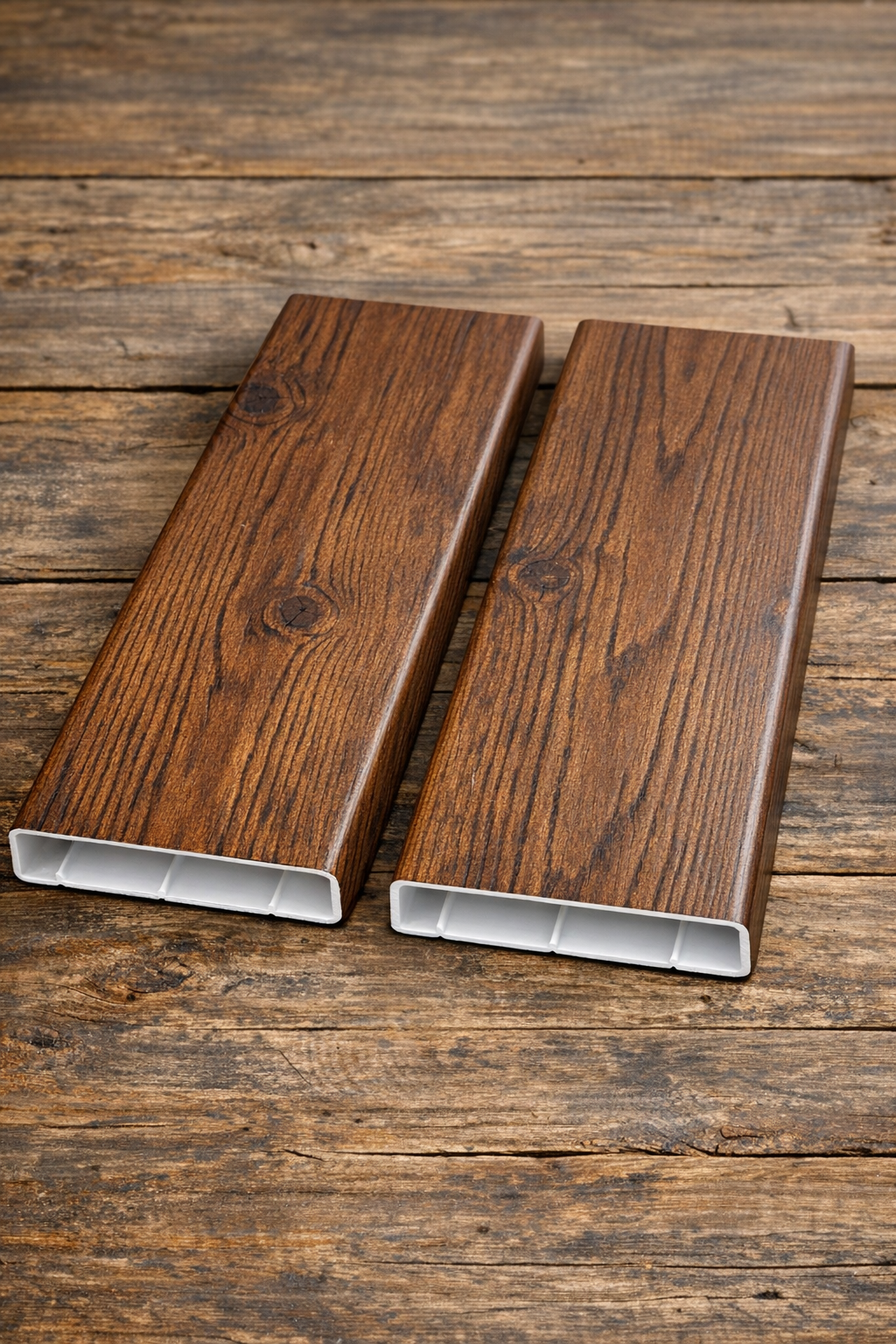
There’s a certain satisfaction in turning plain building materials into something that looks like it came out of an old barn workshop, and this project does exactly that. By slicing open thick white PVC pipe and heating it flat with a household iron, I can make sturdy faux wood-style planks that are useful for rustic signs, lightweight décor panels, simple shelf fronts, and all sorts of craft projects where I want the look of weathered boards without the weight or cost of real lumber.
I especially like this project for folks who enjoy clever upcycling-style builds and don’t mind a little hands-on shaping. It reminds me of the kind of practical making we’ve always done out here—using what’s available, thinking things through, and ending up with something surprisingly handsome from the simplest ingredients.
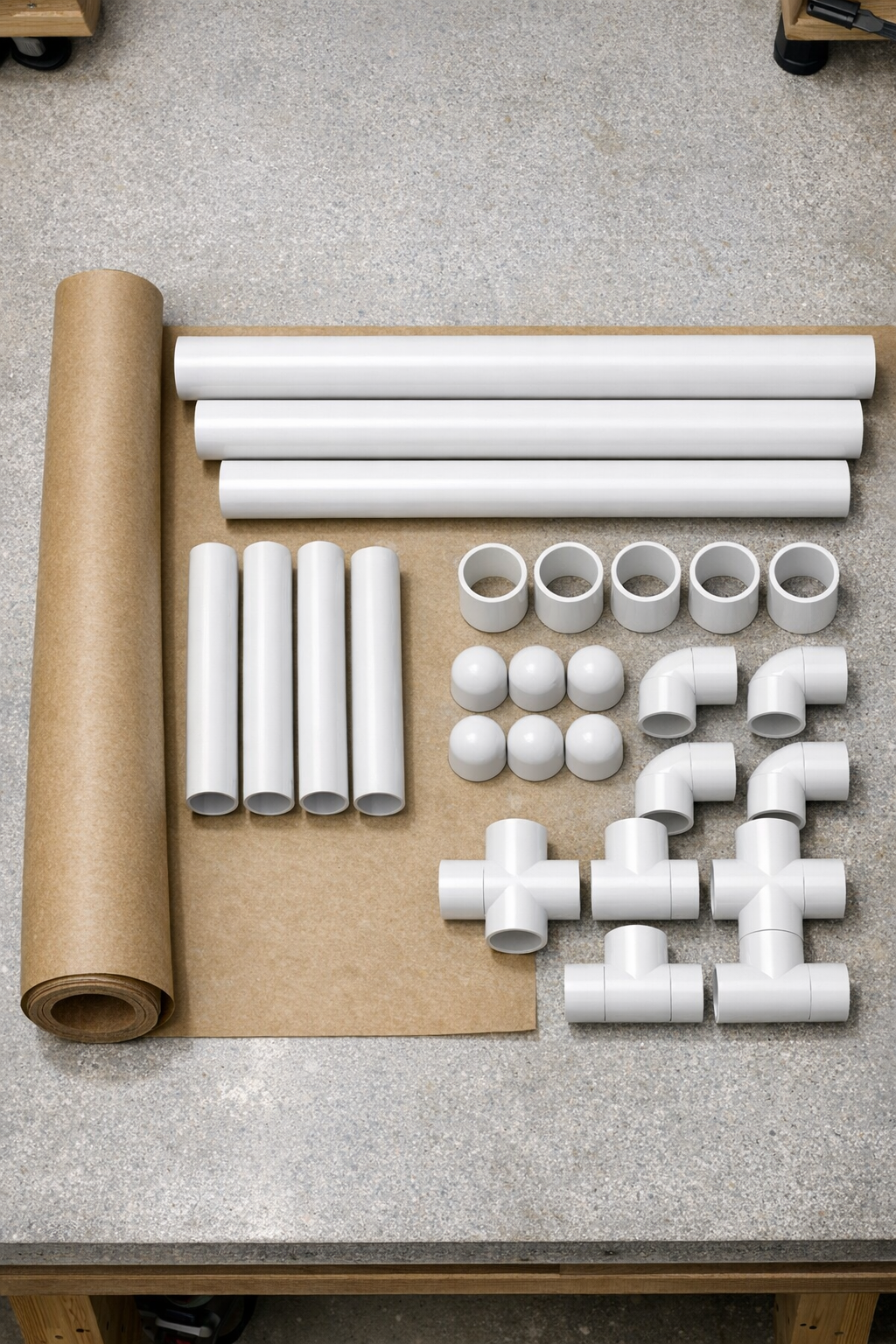
Materials
Instructions
1. Cut each PVC pipe to 24 inches long if it is not already sized, then wash and dry the outside so no dust or grease gets pressed into the surface.
2. Mark one straight line lengthwise down each pipe, then cut along that line from end to end to open the pipe into a single curved sheet.
3. Set the curved PVC piece with the cut side facing up, and gently spread it open by hand just enough that it sits more stable on your work surface.
4. Lay a sheet of parchment paper over the PVC to protect it from direct heat, then warm one small section at a time with a hot dry iron until the plastic begins to relax and soften.
5. As the section softens, press it flatter with the iron through the parchment, working slowly from the center outward so the curve eases into a plank shape.
6. Continue heating and pressing along the full length until the entire pipe section lies mostly flat, then let it cool completely before moving it.
7. Repeat the same process with the second pipe so you end up with two heavy-duty faux planks of similar width and thickness.
8. If the edges curl slightly after cooling, re-cover those spots with parchment and apply the iron again in short passes until the plank relaxes flat.
9. Trim the ends square and, if needed, shave away any uneven edge sections so both planks look clean and even for your intended project.
10. Use the finished faux wood planks as-is for signs, backing panels, shelf trim, or painted rustic décor once they are fully cool and holding their flat shape.
Variations & Tips
For a wider plank look: Use larger-diameter PVC pipe, such as 6-inch pipe, to get broader flattened boards that resemble old fence planks.
For more rustic character: Once flattened, lightly scuff the surface before painting so finishes grab better and the plank takes on more of that weathered farmhouse feel I’ve always loved.
Work in small sections: Don’t try to heat the whole pipe at once; steady progress gives you a flatter result and keeps the plastic from warping unevenly.
Keep parchment moving: If one sheet gets too wrinkled or brittle from heat, swap in a fresh piece so the iron glides smoothly and doesn’t mark the PVC.
Best uses: These faux planks are especially handy when you want the look of thick boards for decorative projects but need something lighter, moisture-resistant, and easy to wipe clean.
Match a set: If you’re making several planks, cut every pipe to the same length before heating so the finished pieces look intentional and tidy together.