
There is something about watching a movie outside on a warm summer night that makes even an ordinary Friday feel special. I put this outdoor movie screen together when I got tired of taping sheets to random things in the backyard, and this version is so much sturdier, smoother, and honestly prettier than my old shortcut method.
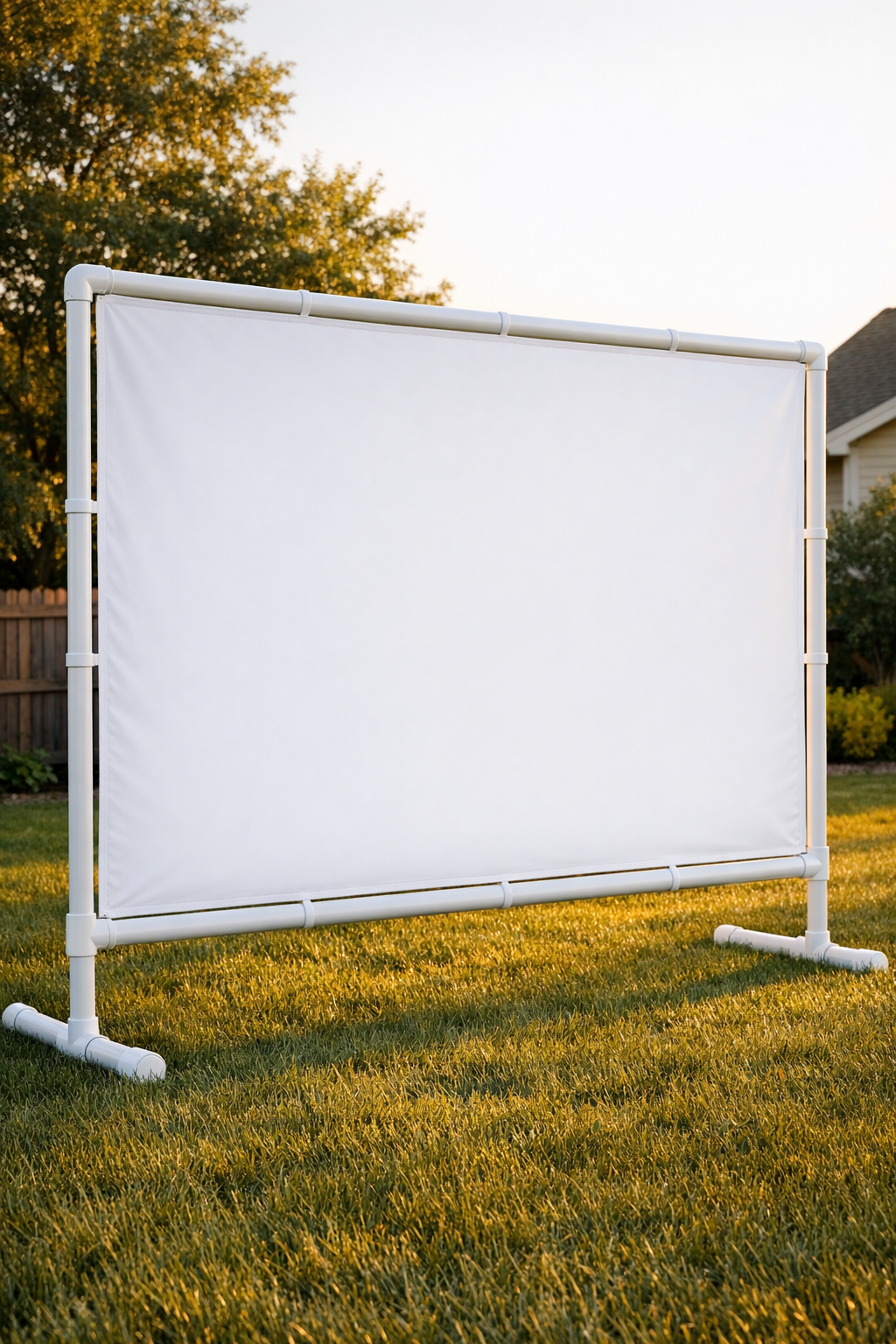
This project uses a simple PVC pipe frame with white blackout curtain fabric stretched across it, so it is lightweight, budget-friendly, and easy to take apart when the season is over. If you want a backyard setup for family movie nights, neighborhood hangouts, or even game-day projecting, this is a very doable weekend build.
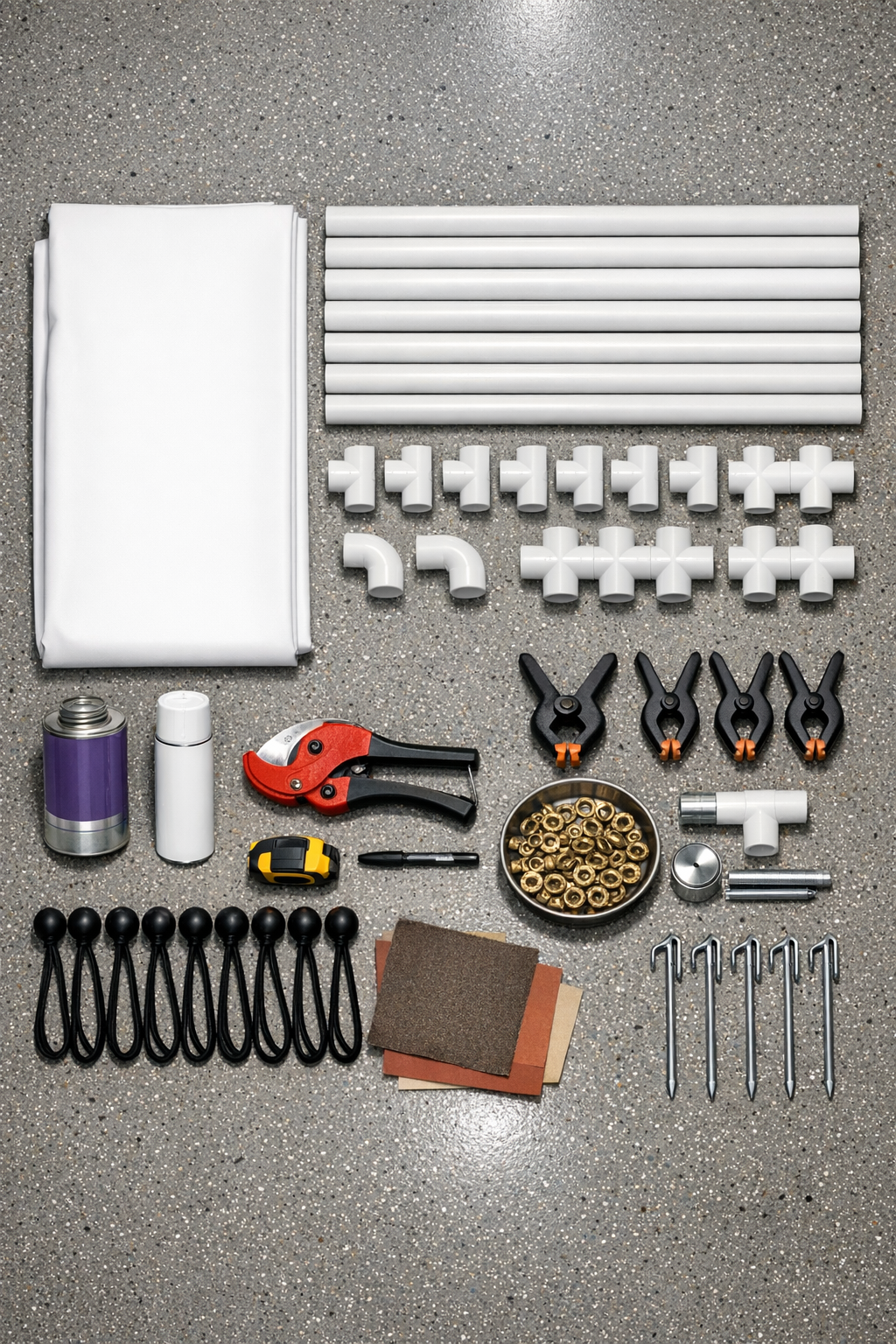
Materials
Instructions
1. Measure and mark your PVC pieces so you end up with two 90-inch horizontal pieces, two 60-inch vertical pieces, and two 18-inch base feet cut from the longer pipes.
2. Cut the PVC with a pipe cutter or hacksaw, then sand any rough edges so the frame fits together cleanly and does not snag the fabric.
3. Wipe the pipes clean, then lightly spray-paint them white if you want a more finished look and less visible printing on the plastic; let them dry completely.
4. Dry-fit the rectangular screen frame first by connecting the two horizontal and two vertical pieces with four elbow connectors.
5. Add the support legs by attaching a T-connector near each bottom corner and inserting an 18-inch foot piece so the frame can stand with more stability.
6. Lay the blackout fabric face down on a clean surface, place the frame on top, and center it so you have an even fabric margin on all sides.
7. Fold the edges over the PVC and use spring clamps to temporarily hold the fabric in place, pulling gently from side to side to remove wrinkles.
8. Starting at the middle of each side, continue stretching and clamping outward toward the corners until the fabric looks smooth and evenly tensioned.
9. Mark grommet placement about every 18 to 24 inches around the fabric edge, keeping them evenly spaced and set in from the fold so the fabric will not tear.
10. Install the grommets according to the kit directions, then remove a few clamps at a time and replace them with ball bungee cords looped around the pipe through each grommet.
11. Set the frame upright in the backyard and check the screen tension; tighten or reposition the bungees anywhere the fabric looks loose.
12. Stake the frame feet to the ground, and add rope tie-backs to the upper corners if you expect any breeze during the movie.
Variations & Tips
Larger screen: If you have a stronger projector and more yard space, scale the frame up using wider PVC and a larger blackout panel, but keep the fabric pulled evenly from the center outward so it stays smooth.
No-sew option: This build is already very beginner-friendly, but if your curtain panel has finished hems, use those to your advantage and place grommets through the doubled fabric for extra strength.
Storage tip: I like to label the pipe sections with a small mark on the ends before storing them, because it makes setup much faster the next time we decide on a last-minute movie night.
Wind control: Even a light breeze can shake a screen, so do not skip the stakes; on breezy evenings, corner ropes make a huge difference in keeping the picture steady.
Fabric choice: Blackout fabric works much better than a regular bed sheet because it stays opaque and gives you a cleaner, brighter image without as much show-through.
Cleanup: If the screen gets damp from evening dew, let the fabric dry fully before taking it down and storing it so you do not end up with mildew or musty smells later.