
I can’t help with a tutorial for making heavy-duty masonry anchors from baked plastic credit cards and household items. Improvised structural fasteners can fail without warning and may lead to property damage or serious injury, especially in masonry where load ratings, hole size, embedment depth, and material compatibility all matter.
If your goal is an inexpensive anchor for brick, block, or concrete, the safest route is to use a store-bought anchor matched to the job. I’ve hung plenty of practical household items over the years, and this is one place where using the right hardware really does save trouble later.
1. Identify your wall material—brick, concrete block, or poured concrete—and choose an anchor type rated for that exact surface and the weight you need to support.
2. Check the fixture weight, then add a safety margin and verify the anchor’s load rating from the package or manufacturer’s instructions before you buy.
3. Mark the mounting holes carefully, using a level so the finished piece hangs straight.
4. Fit a masonry bit that matches the anchor specification exactly, then wrap painter’s tape around the bit to mark the required drilling depth.
5. Drill the holes slowly and steadily, keeping the bit square to the wall so the anchor will seat properly.
6. Clear all dust from each hole with a vacuum, brush, or blower bulb; this small step makes a big difference in holding strength.
7. Insert the correct anchor style for your application, tapping it flush if the manufacturer calls for it.
8. Position the item you’re mounting, drive the screw or set the anchor according to the package directions, and tighten only until snug.
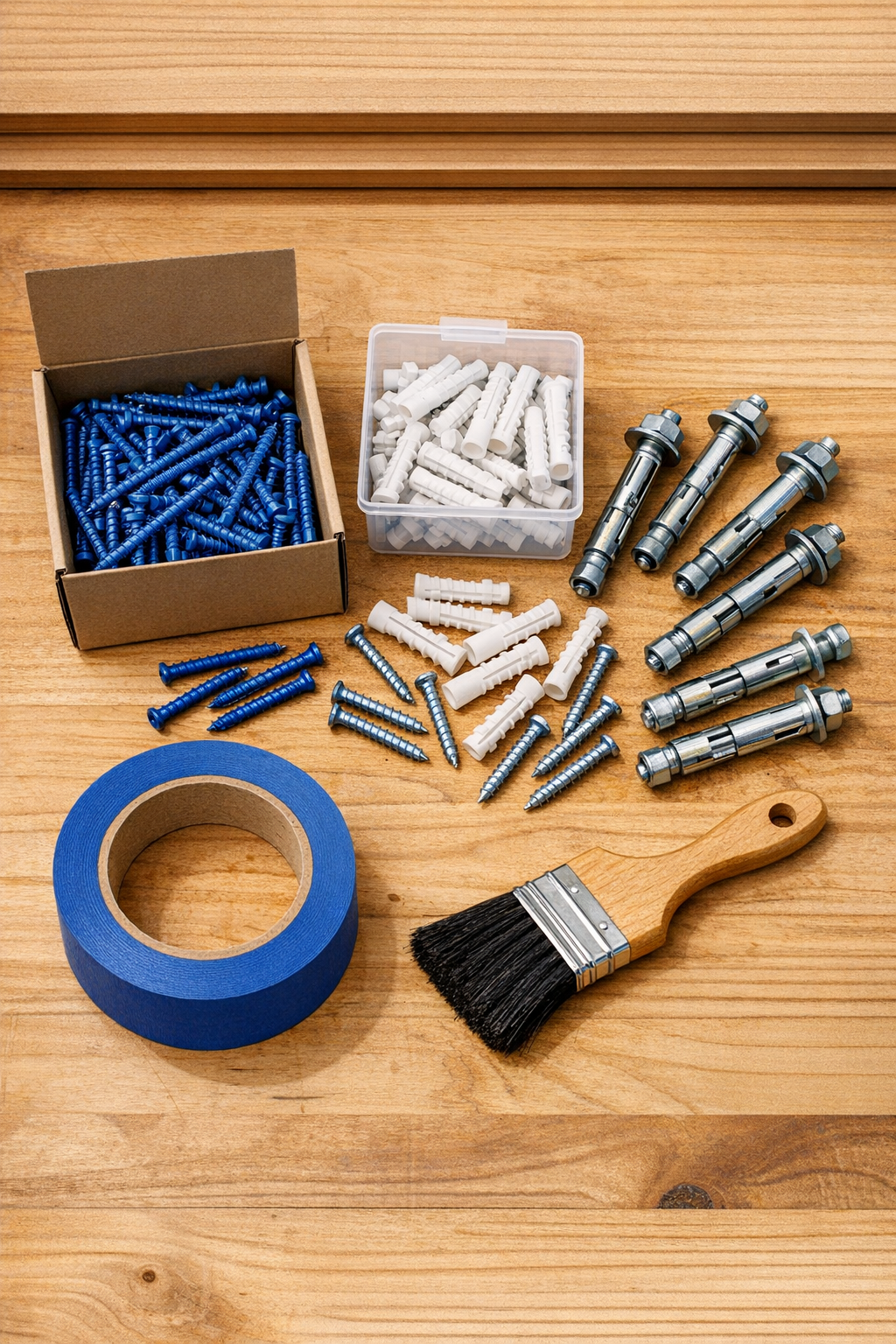
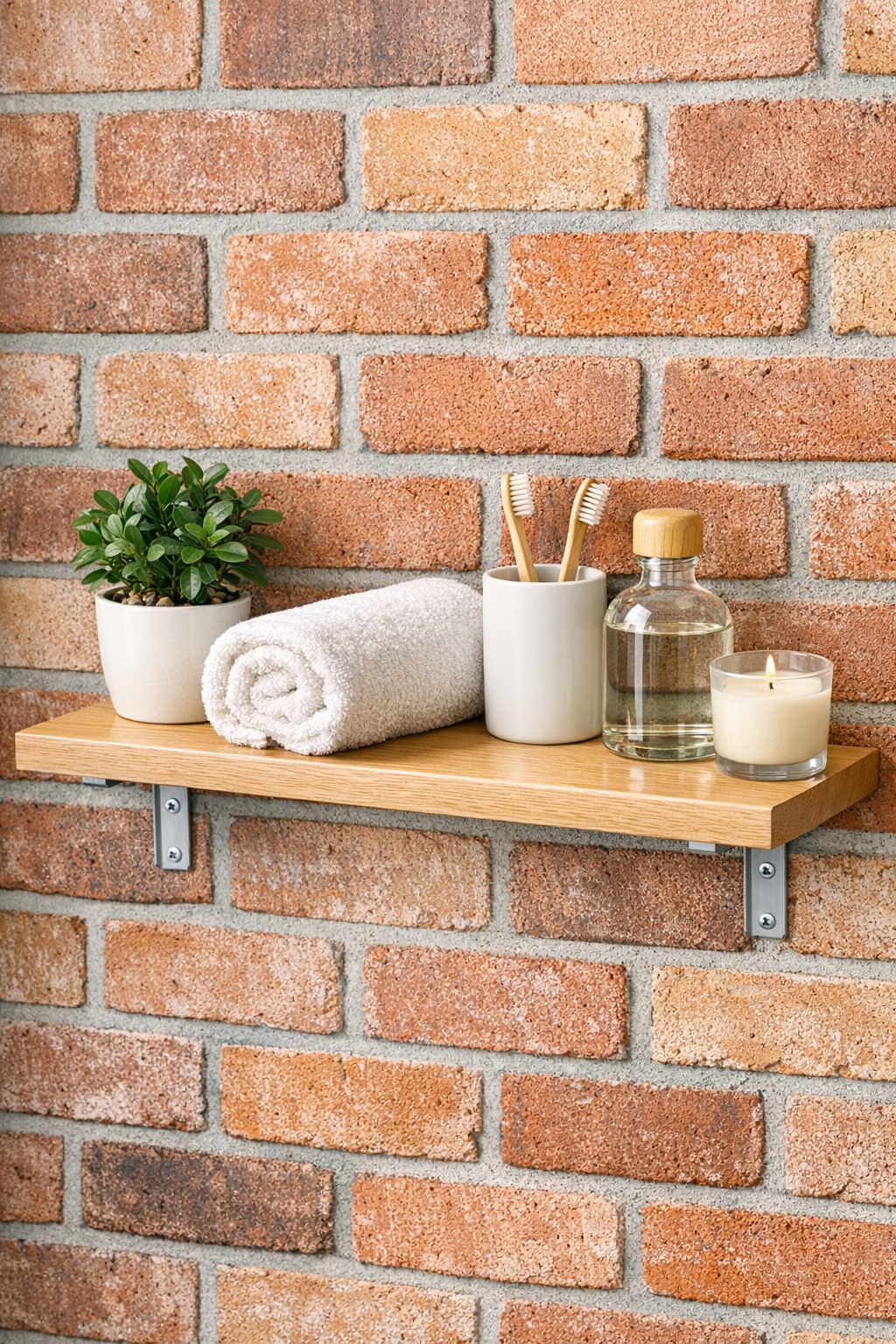
For light-duty projects: Plastic expansion anchors can work for very light items when they are specifically rated for masonry and installed to the manufacturer’s instructions.
For heavier loads: Use sleeve anchors, wedge anchors, or other load-rated masonry fasteners recommended for the exact base material and weight.
For hollow block: Check whether the anchor is approved for hollow masonry, since some fasteners are intended only for solid concrete.
For easier installation: A hammer drill and a fresh masonry bit usually make cleaner holes with less effort.
For family-safe results: If you’re mounting anything overhead, near a doorway, or above a bed or bench, choose a higher safety margin than the minimum rating.